
Dundee great Tosh McKinlay’s journey from a Glasgow close to the Dark Blues’ Hall of Fame

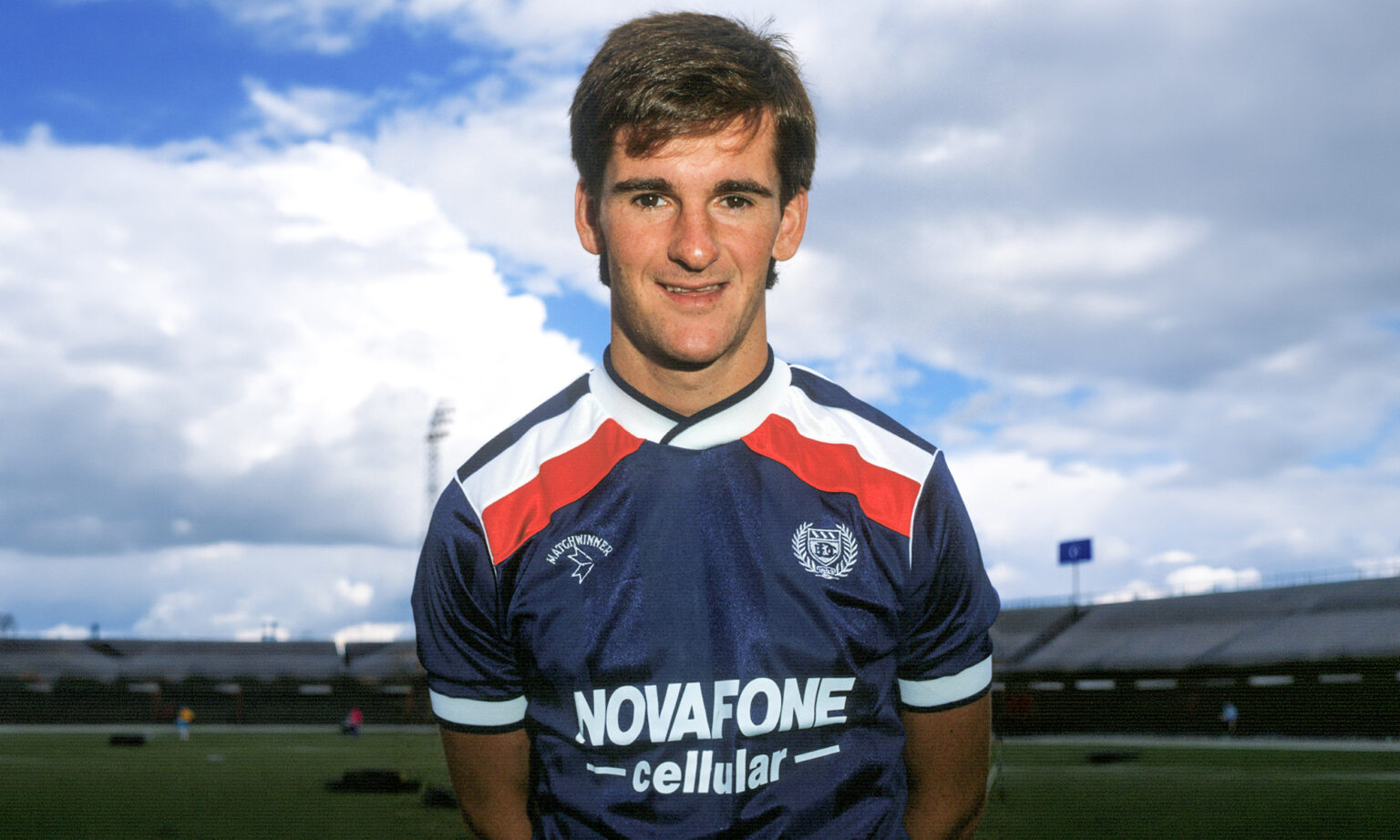
Dundee great Tosh McKinlay’s journey from a Glasgow close to the Dark Blues’ Hall of Fame.
A forgotten 1984 interview reveals how Tosh McKinlay rejected Celtic, gained his nickname, and progressed through the ranks to become a Dundee favourite.
Tosh McKinlay became one of Dundee’s greatest full-backs despite turning down Celtic to begin his career at Dens Park. But the name that became engraved into dark blue mythology was not his.
In a forgotten 1984 interview with the Weekly News, Thomas McKinlay stated that his renowned moniker belonged to a neighbour’s boyfriend.
“When we lived up a close in Partick, one of the girls who lived upstairs had a boyfriend whose nickname was Tosh,” he told me.
“For some reason, I’m not sure why, people started calling me Tosh as well, and it’s stuck with me ever since. “I was astonished when the newspapers picked up on it after I made the first team.
“I’m not sure how they picked it up. “But I don’t receive it at home. “My mother doesn’t like it.”
From left-winger to Dundee full-back
During an interview with Peter Black, he discussed his path to Dens Park and his status as “the fastest-rising star in the country.”McKinlay began his football career as a left winger at St. Peter’s Boys School in Partick and St.
Thomas Aquinas Secondary in Jordanhill. “It wasn’t until I started my second or third year with Celtic Boys’ Club that I moved into defence,” stated the player.
“I recall we had a few players injured and I was asked to come in, ostensibly for a few games.”As it turned out, I did really well, and I’ve been a fullback ever since.
“I’ve no regrets about not making it as a forward – I reckon a spot in the back four probably was my best position all along.”
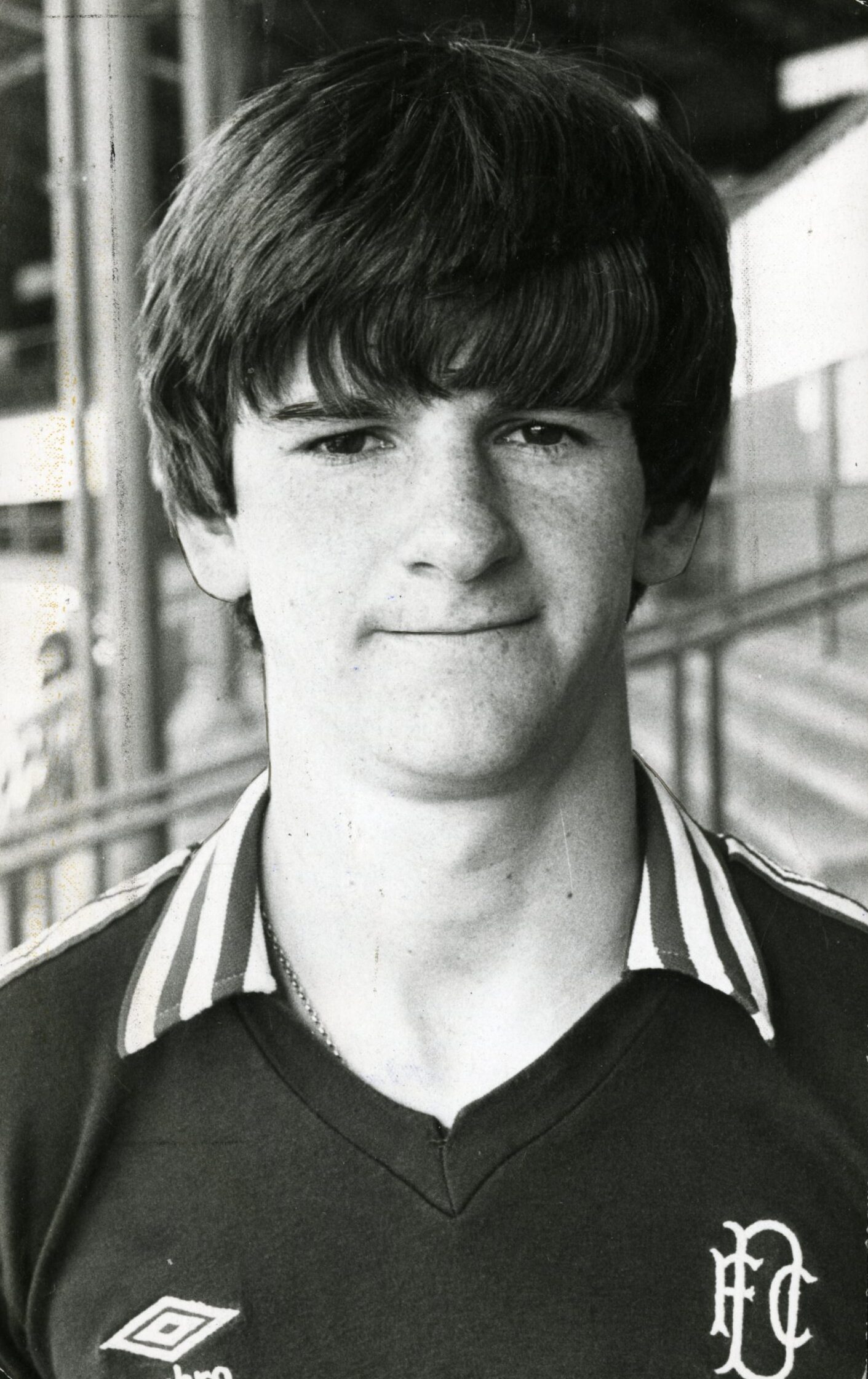
Perhaps more unexpectedly, given how fast he advanced through the ranks, the youngster was not spoilt for choice when it came time to become a senior.
“Of the few clubs who showed interest, Celtic did appear on the scene, but not until after I’d been approached by Dundee,” stated the footballer.
“Although I had supported the Parkhead club as a schoolboy, my father and I decided it would be better for me if I signed with Dundee.”
“I’d known some young players who’d been lost at Celtic Park simply because they had so many players, whereas at Dens I felt I’d be able to get my chance earlier.”
Rise from reserves to Scotland recognition
McKinlay dropped out of school around Christmas 1980 to work on the Dundee grounds. “I’d no idea what I would have done if a club hadn’t come for me,” he told me.
“I probably would have stayed on for some qualifications, but, not being too bookish, I jumped at the chance of turning pro.”
After two years in the reserves, manager Donald Mackay gave him his first Dundee start in a rearranged match at Love Street in May 1983, when he was only 16.
St Mirren won 2-1 thanks to a last-minute goal from Frank McDougall.
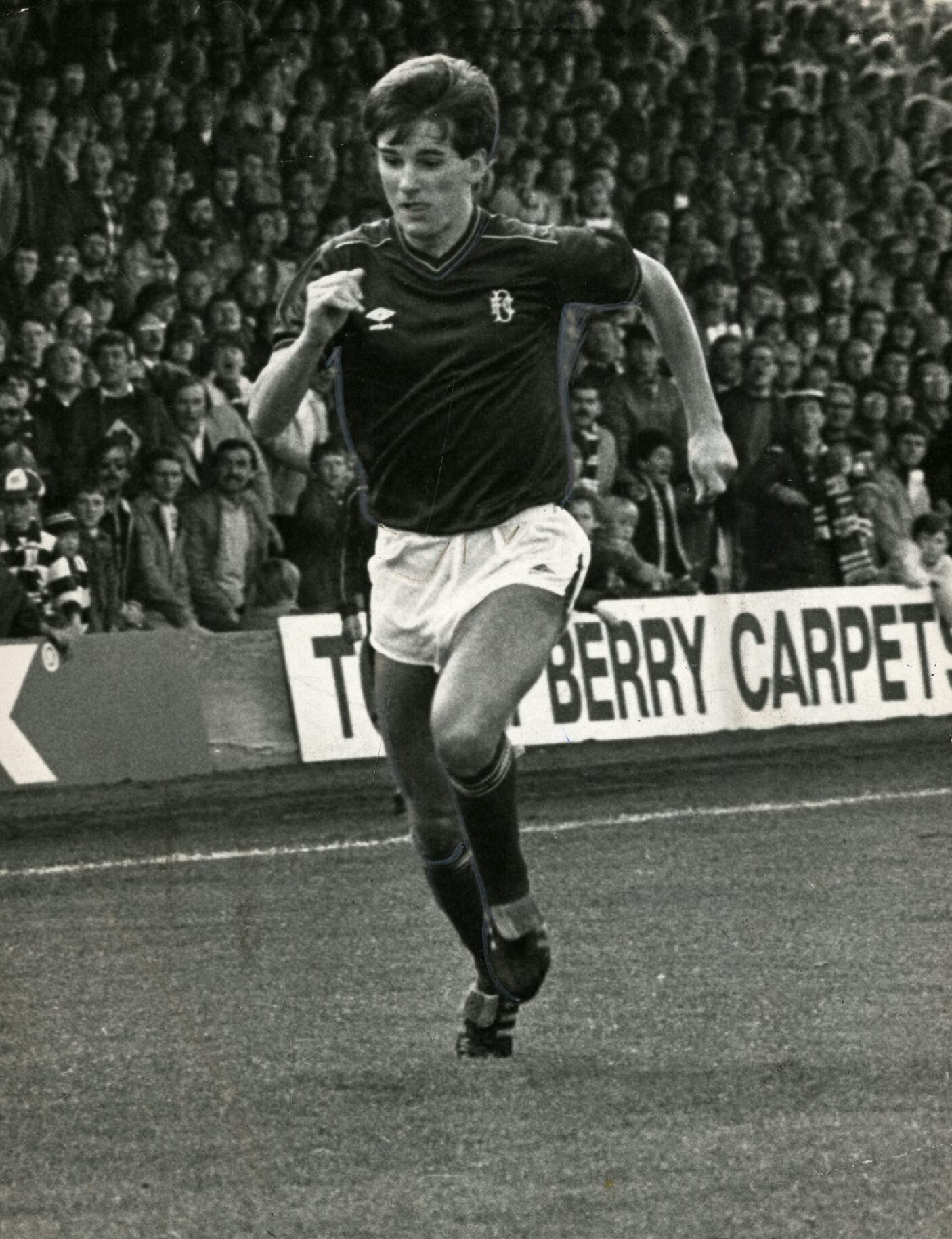
McKinlay began to see first-team action the following season, making his debut for Ricky McFarlane’s Scotland under-21 team against East Germany. “That was undoubtedly the highlight of my career so far,” he told the audience.
“My only regret was that my father wasn’t present. “He has come to watch me every week since I signed with Dundee.
“He does not drive, and has missed his connection in Edinburgh after a midweek evening game, leaving him stranded before catching the 4am mail train back to Glasgow in time for work.”
“Fortunately, since I broke into the first team, one of my uncles has started to come as well – and, as he has a car, it’s made things easier.”
Sharp-dressed quartet turned heads
McKinlay told Peter Black in 1984 that, while some young players may want to move to a larger club, he had no desire to leave Dundee.
Archie Knox took over for Donald Mackay in December 1983.
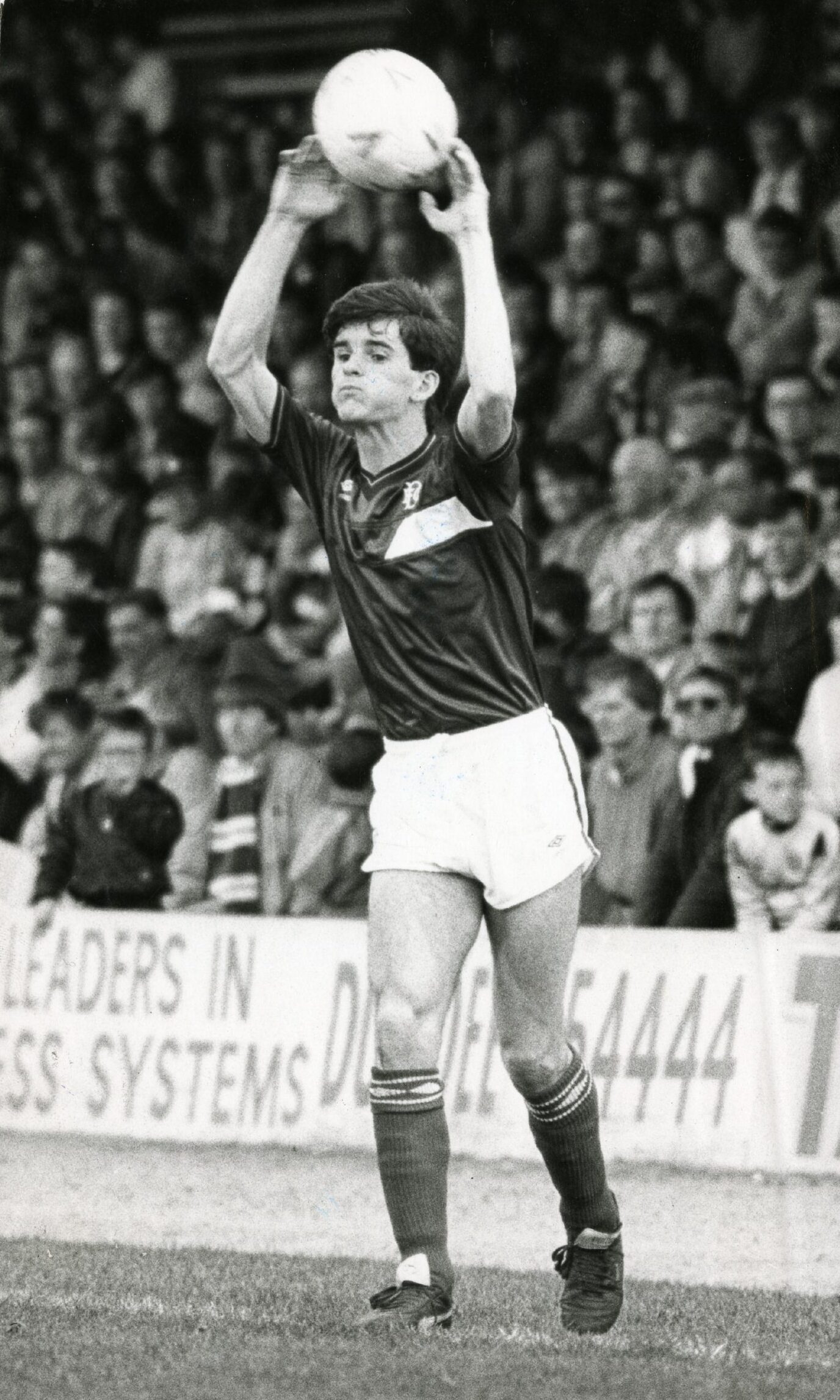
McKinlay felt things had improved under Knox, with double training sessions from Monday to Wednesday making him “feel a lot sharper”.
He stated that Knox made an effort to foster camaraderie among the team members by organising shared meals on the pitch and installing a pool table with regular competitions.
He also stated that, with Knox in charge, he believed the Dens Park club had “real potential,” with goals shifting from survival to European qualification.
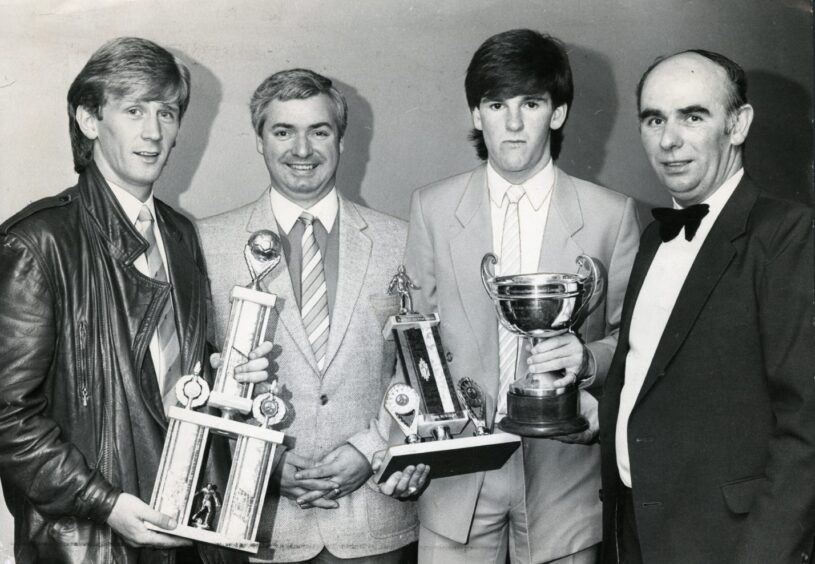
Back in 1984, his best friends at Dundee were Lex Richardson, Colin McGlashan, and Iain Ferguson, and the four of them were frequently seen together.
“We get a lot of stick if we go out for a game of pool or something, although, since most people don’t know me, Fergie catches most of it,” he told me.
“We wear fashionable clothes, but the locals call us posers.” “However, I’m not going to dress like a scruff simply because of that!”
Toasting Dundee’s Tennent’s Sixes triumph
McKinlay went on to become a regular for Dundee, who just averted relegation from the Premier Division in 1984.
His attacking flair and broad delivery earned him a devoted following.
In 1986, Archie Knox moved for Aberdeen to join Alex Ferguson, and Jocky Scott returned to lead Dens alongside Drew Jarvie.
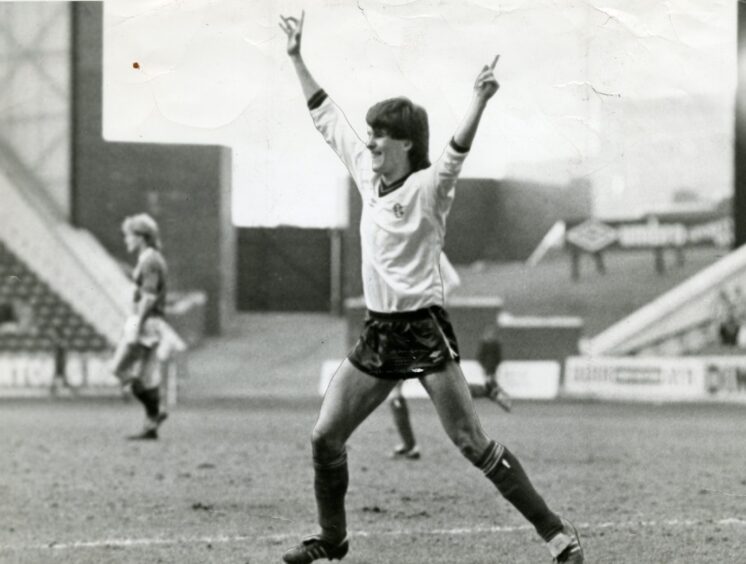
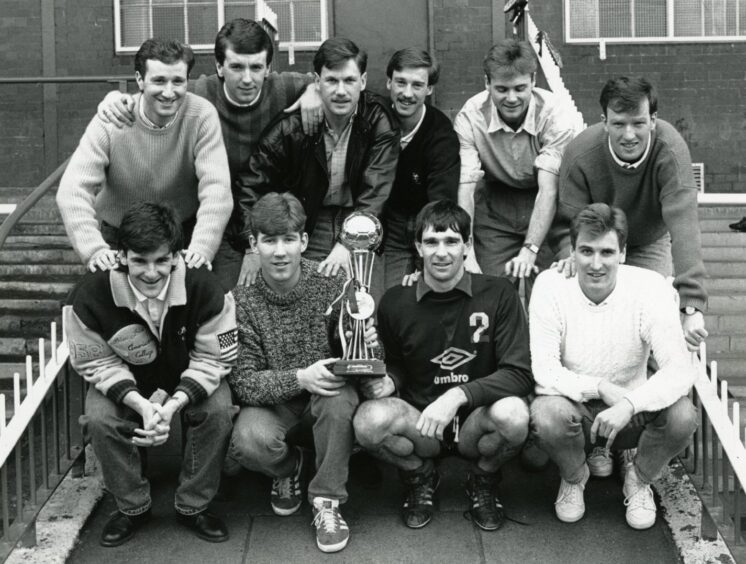
Following a lengthy absence due to ankle ligament injuries, McKinlay returned to assist Dundee win the 1988 Tennent’s Sixes, scoring in the final against Motherwell.
From Dens Park to the 1998 World Cup
McKinlay made 204 competitive appearances for Dundee. One of the highlights of his Dens Park career was a sensational goal in the 4-3 derby victory over United at Tannadice in 1984.
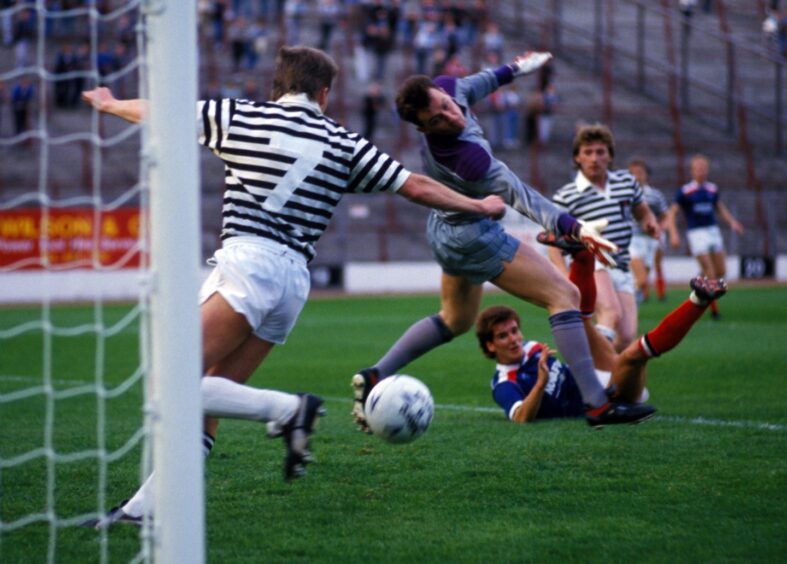
In August 1987, he made another notable effort, scoring an overhead kick at Hampden versus Queen’s Park in a League Cup match.
Dundee later accepted Hearts’ £300,000 offer for McKinlay in December 1988.
He spent six years in Edinburgh before joining Celtic, where his cross set up Pierre van Hooijdonk’s winner over Airdrie in the 1995 Scottish Cup final.
His medal collection now includes a League Cup and a Premier League title.
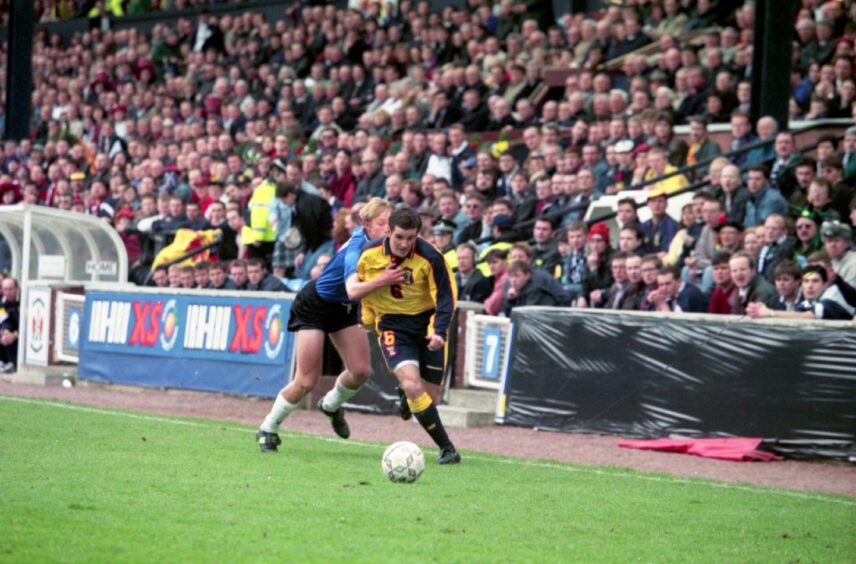
McKinlay won 22 Scotland caps and competed in Euro 1996 and the 1998 World Cup. He ended his career following a brief stint with Kilmarnock in 2000.
McKinlay was a fan favourite everywhere he played, including Dundee, and in March 2019, he was inducted into the club’s Hall of Fame. The club stated that the “classy left-back” had “served Dundee with distinction”.
Tosh McKinlay may not have picked the nickname, but he made sure it was one Dundee fans will remember with pride.
Read more on Straightwinfortoday.com

Comments are closed, but trackbacks and pingbacks are open.