
‘Putting 20 biggest troublemakers on the right path’ could solve St Nicholas Square anti-social behaviour problems

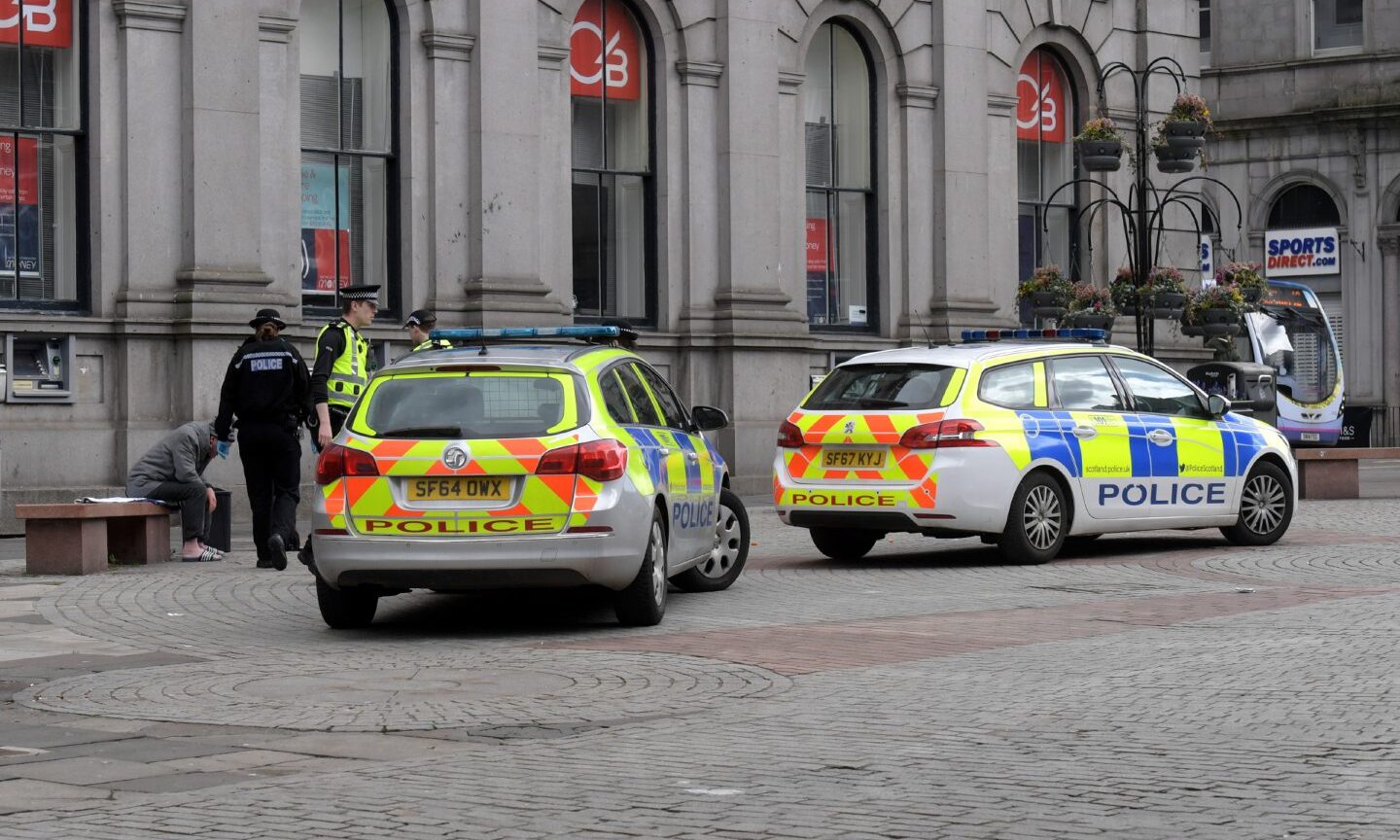
‘Putting 20 biggest troublemakers on the right path’ could solve St Nicholas Square anti-social behaviour problems
I met with the people responsible for taking a progressive strategy to dealing with antisocial conduct in Exeter, as we investigate whether this can be repeated in the north-east.
Aberdeen’s anti-social behaviour issues have become a significant discussion topic as multimillion-pound reconstruction projects seek to redefine the city centre.
A key councillor has already confessed that “no one is taking responsibility” for the problems at St Nicholas Square, while police increase attempts to prevent juvenile gangs from terrorising guards at Union Square.
While some may urge for increased police powers, other communities confronting comparable challenges are taking a different approach.
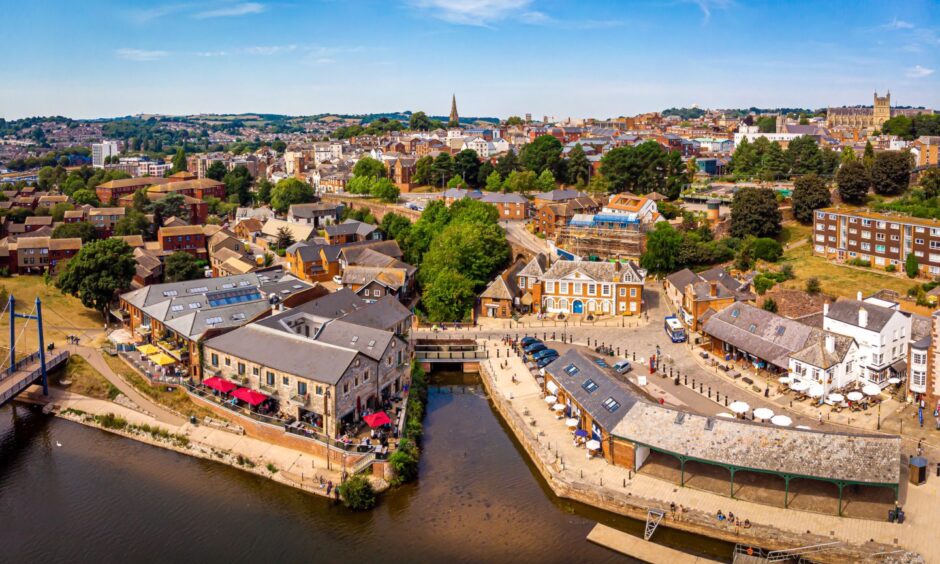
As Aberdeen embarks on its own development journey, I’m looking at how the city might learn from other locations around the UK in a special series this week.
Exeter authorities said their approach to fighting anti-social behaviour is something Aberdeen can learn from.
- They explain how creating a list of the “20 biggest offenders” could end up solving the problem
- What Aberdeen’s own city centre chiefs made of Exeter’s approach — and whether it could work in the Granite City
- And the strange role that the sex-trafficking-accused Andrew Tate has played in all of this…
What issues does Aberdeen have with antisocial behaviour?
Before we go into Exeter’s unique method, let us first take a look at our own circumstance.
Back in January, Union Square was at the center of the controversy, with teenage gangs accused of “goading powerless security staff” about the apparent lack of consequences for their unruly behaviour.
Police are still conducting operations against antisocial behaviour across the city centre.
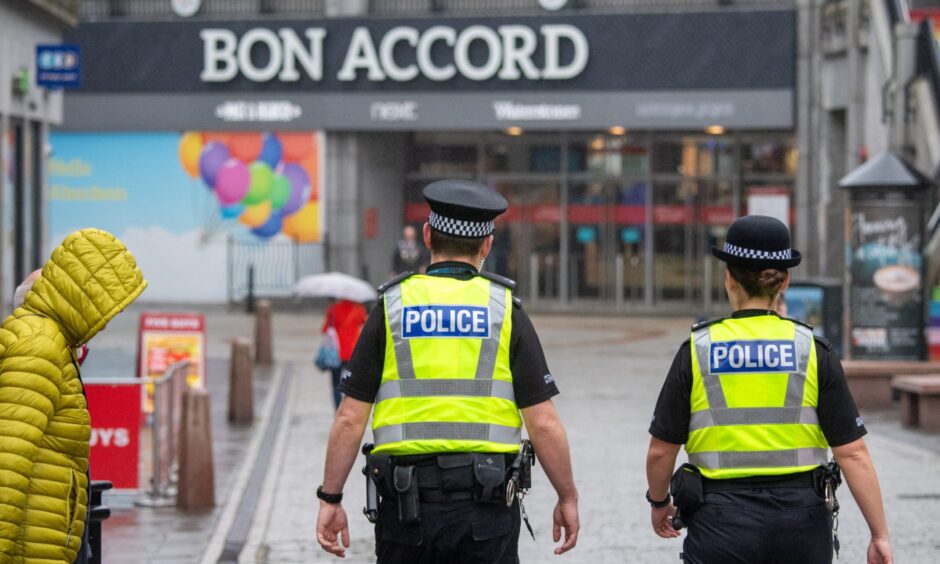
Police commander Kate Stephen praised a “significant reduction” in crime at the time, but acknowledged that more needed to be done to make people feel protected.
Last week, a granite seat near bank machines that “people are too afraid to use” was smashed up, raising further worries about long-standing antisocial behaviour issues in St Nicholas Square.
At the start of the year, the council’s finance convener, Alex McLellan, even conceded that there was a problem with the historically difficult location for which “no one is taking responsibility”.
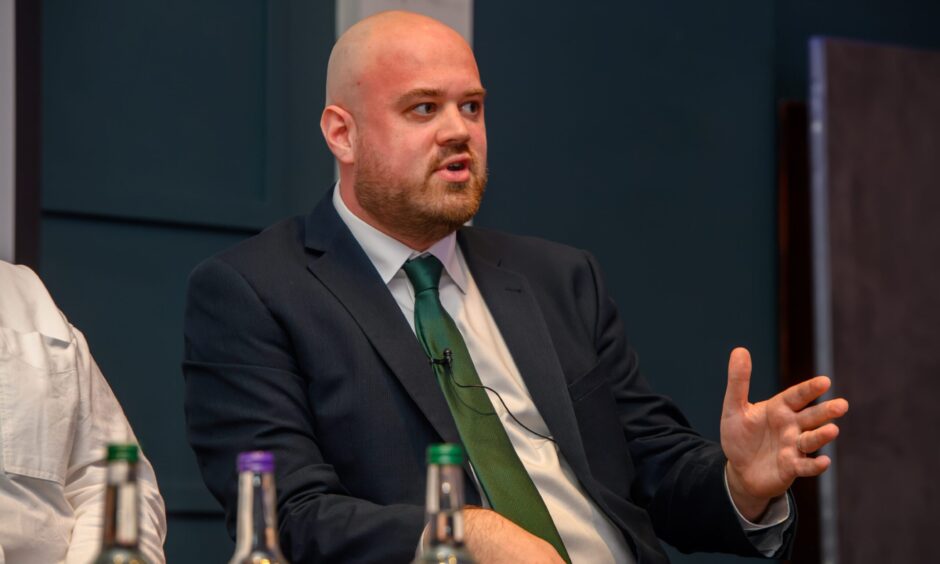
“Police say they try things but they are quite limited – even if they do arrest someone, they’re probably back the next day,” continued the man.
However, in Devon, police are taking a proactive approach to addressing this very issue.
They are getting to the bottom of the problem, all thanks to some cash reluctantly handed over by a social media pest.
Where does Andrew Tate fit into all of this?
Andrew Tate, a self-proclaimed sexist influencer, is partially responsible for this.
In December 2024, a court ruled that Andrew and his brother Tristan Tate had failed to pay taxes on £21 million in earnings, instead laundering it through Devon bank accounts.
Devon and Cornwall Police received £2.9 million. The only thing left to do was figure out how to spend it.

During a recent Association of Town Centre Management meeting in London, Inspector Nathan Johnson described how it will be implemented.
Tate’s donations, totalling £150,000, will be used in the area’s mentorship project.
So, what precisely is this?
How will Tate cash help Exeter clean up city centre?
The overall goal of the approach is to reform those who are most frequently producing difficulties.
Insp Johnson stated: “We created a unique data set… It worked out who was the most in-demand user.
“Not a very pleasant way to characterise someone. But we knew they were high on the offending and victim statuses, and that they used the NHS and other services.
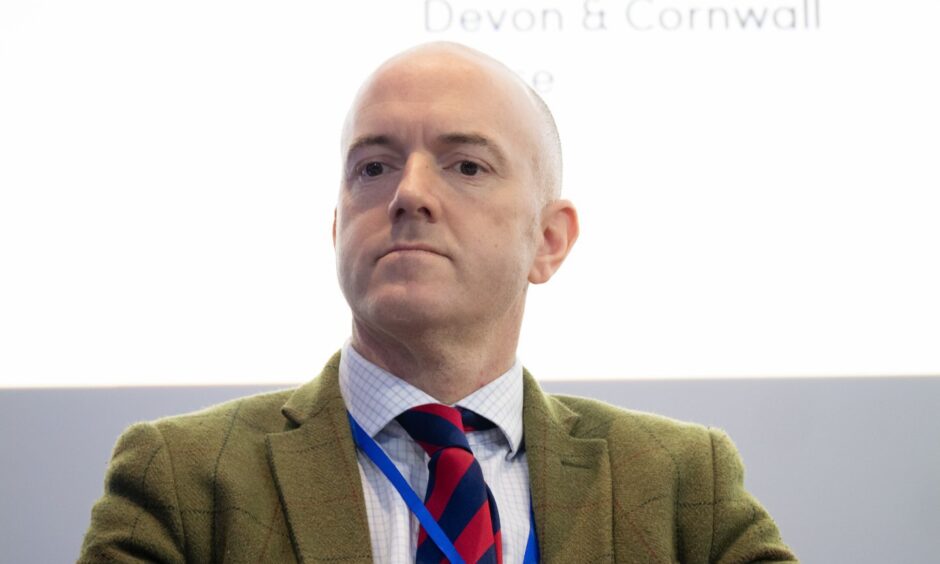
They compiled a list of 21 criminals, with the £150,000 going toward support services to mentor four of the “hardest to reach in the community”.
The city center cop adds, “Even if we only cut it somewhat, it will make a difference.
“I am not expecting these four folks to suddenly become super-middle-class.
“What we’re looking for is just if we can reduce their in-and-out of prison, their shop theft, their drug-taking, their anti-social behaviour, just by a little bit, that would be a huge success.”
‘It doesn’t matter how many events you put on – you need to tackle it’
The local council and the city centre Bid are also contributing to the effort.
Nicola Wheeler, chief executive of InExeter, told me that some members of her staff were first unsure why they would spend time addressing the issue.

Nicola mirrored Mr McLellan’s sentiments, saying, “It’s not really anybody’s job to do this.”
“But if we don’t do this, all of our jobs will get harder.
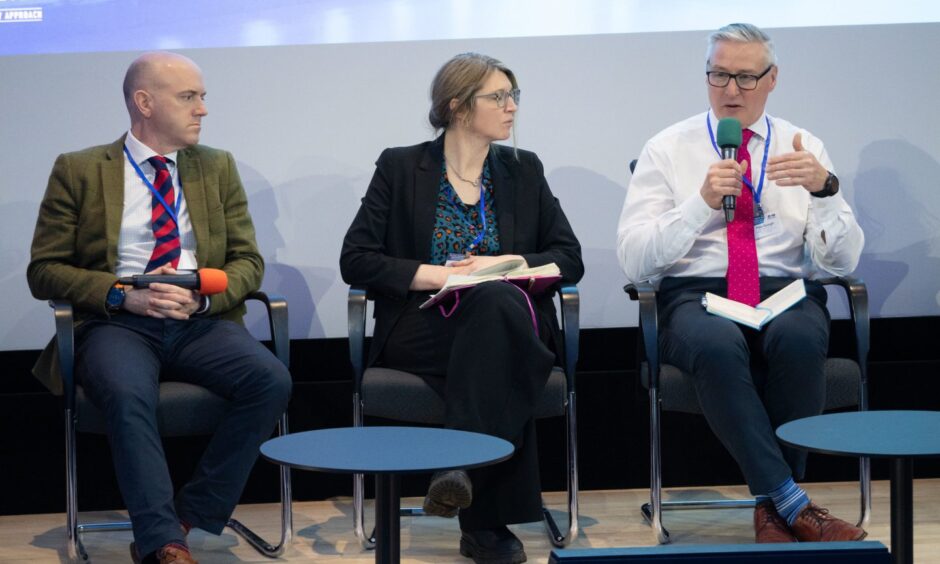
She advises those in Aberdeen, saying, “If you’re not (involved in tackling anti-social behaviour), everything else you’re doing starts to feel irrelevant.”
“Because if the safety issue isn’t addressed, if there’s not a conversation happening there, then it doesn’t matter how many events you run, how many murals you paint…”
What do Aberdeen city centre chiefs think about this?
Aberdeen Inspired members attended the same conference. They, too, were impressed with what they heard.
Adrian Watson, chief executive of The Bid, told The P&J that they will “look closely to see if there’s anything Exeter are doing which they can bring to the table in Aberdeen” in addition to the efforts the group is already taking.
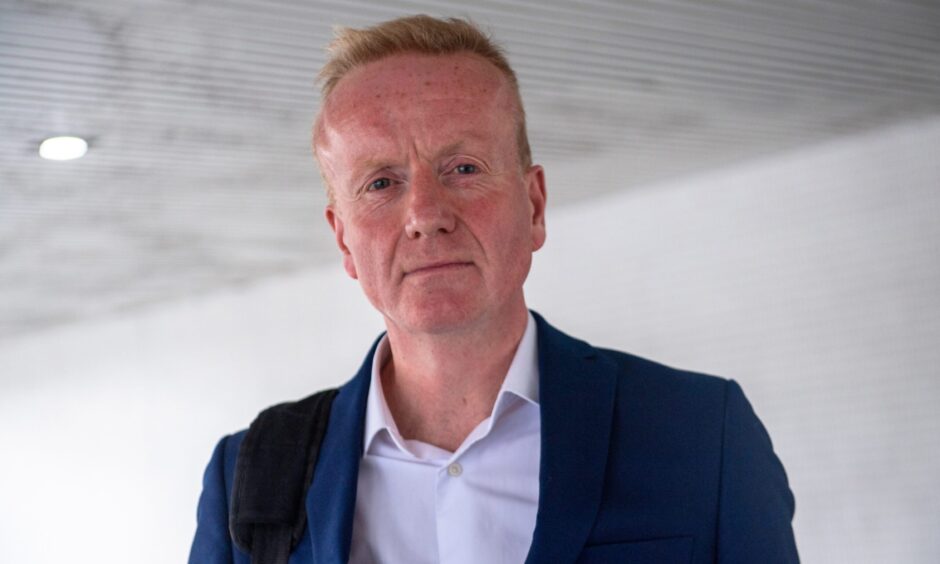
He went on to say, “Aberdeen Inspired plays an important role in addressing anti-social behaviour in our city centre.
“Our levy payers are clear: we need a secure and vibrant city centre if we are to attract visitors to the heart of Aberdeen, keep them there, and, most crucially, support our bricks and mortar businesses.
“That is why we follow closely what other BIDs are doing to tackle anti-social behaviour to see what we can learn from their experiences and direction of travel.”
Read more on Straightwinfortoday.com

Comments are closed, but trackbacks and pingbacks are open.