

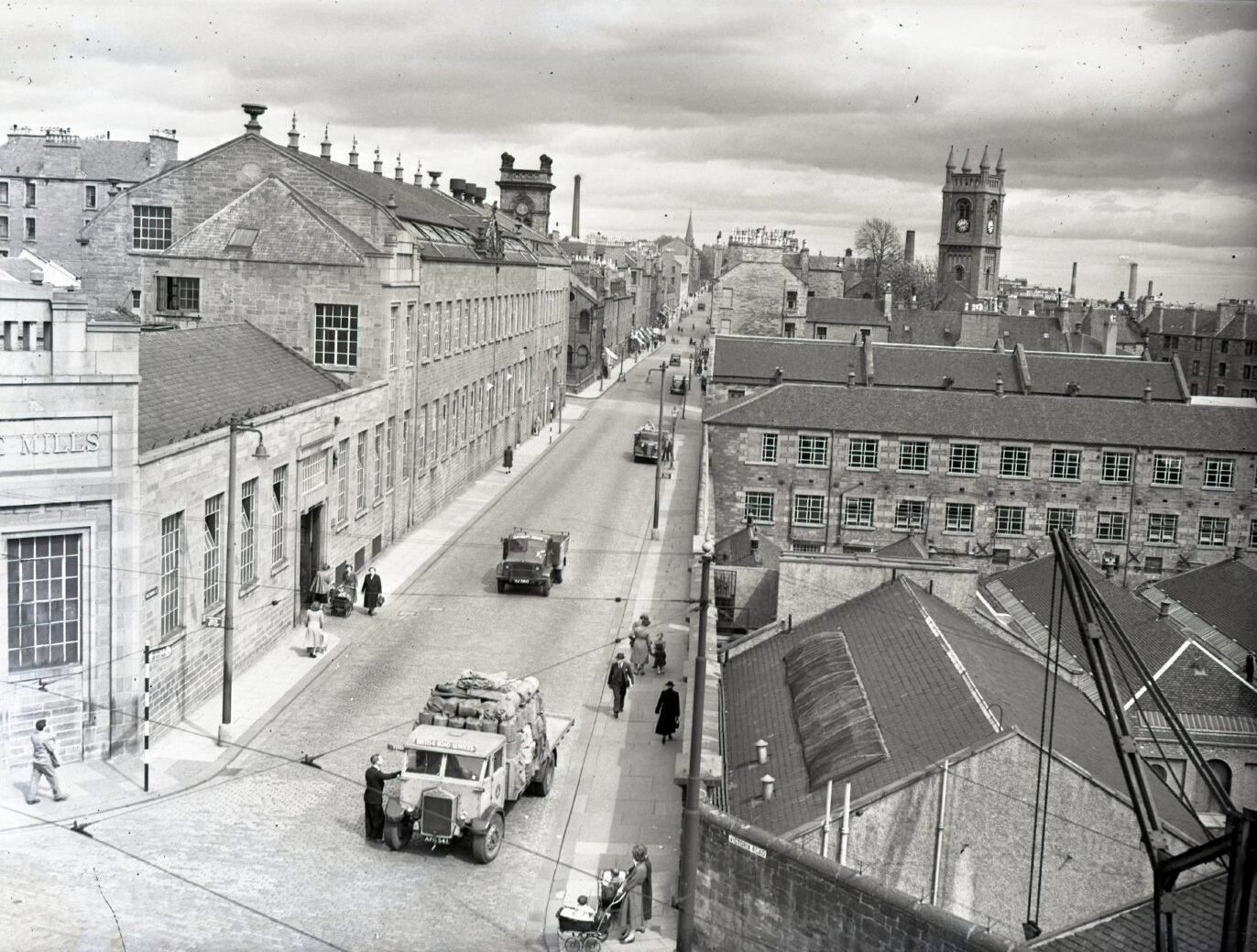
Dundee once ruled the jute world – and Eagle Mills was the city’s ‘finest’ works.
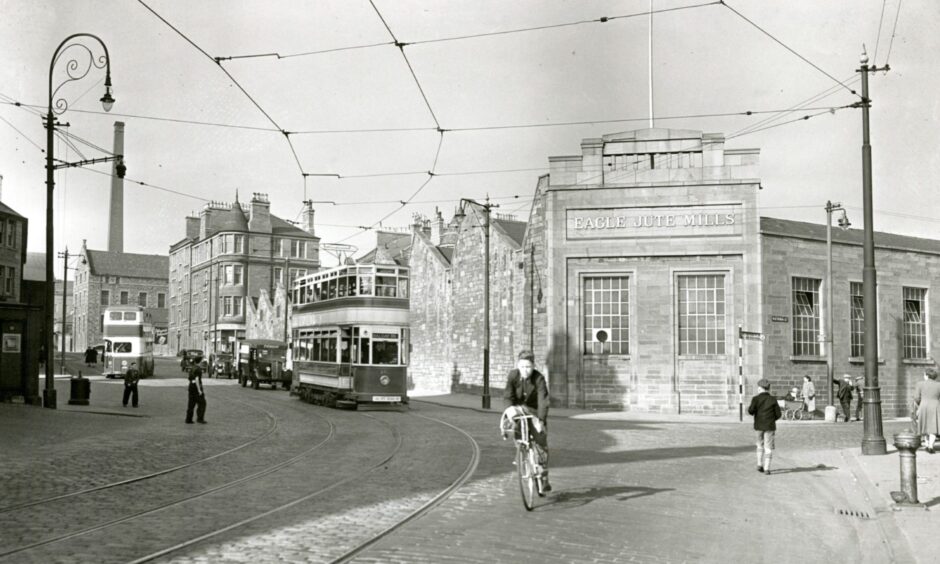
The narrative of Dundee’s Eagle Mills, from its ambitious 1930s debut as a modern jute industry to its downfall and uncertain future.
In July 1930, Eagle Mills opened in Dundee as “the most modern and best-equipped jute mill in the world.”
The location, just off Victoria Road, had a considerably more extensive history.
It was founded in 1864 by the Baxter Brothers, who constructed an engineering works and foundry there to provide gear for the city’s jute trade.
Low and Bonar Ltd renovated the site as a modern jute spinning facility, ushering in a new phase for the project.
Eagle Mills was the only new jute mill constructed in Britain between the wars.
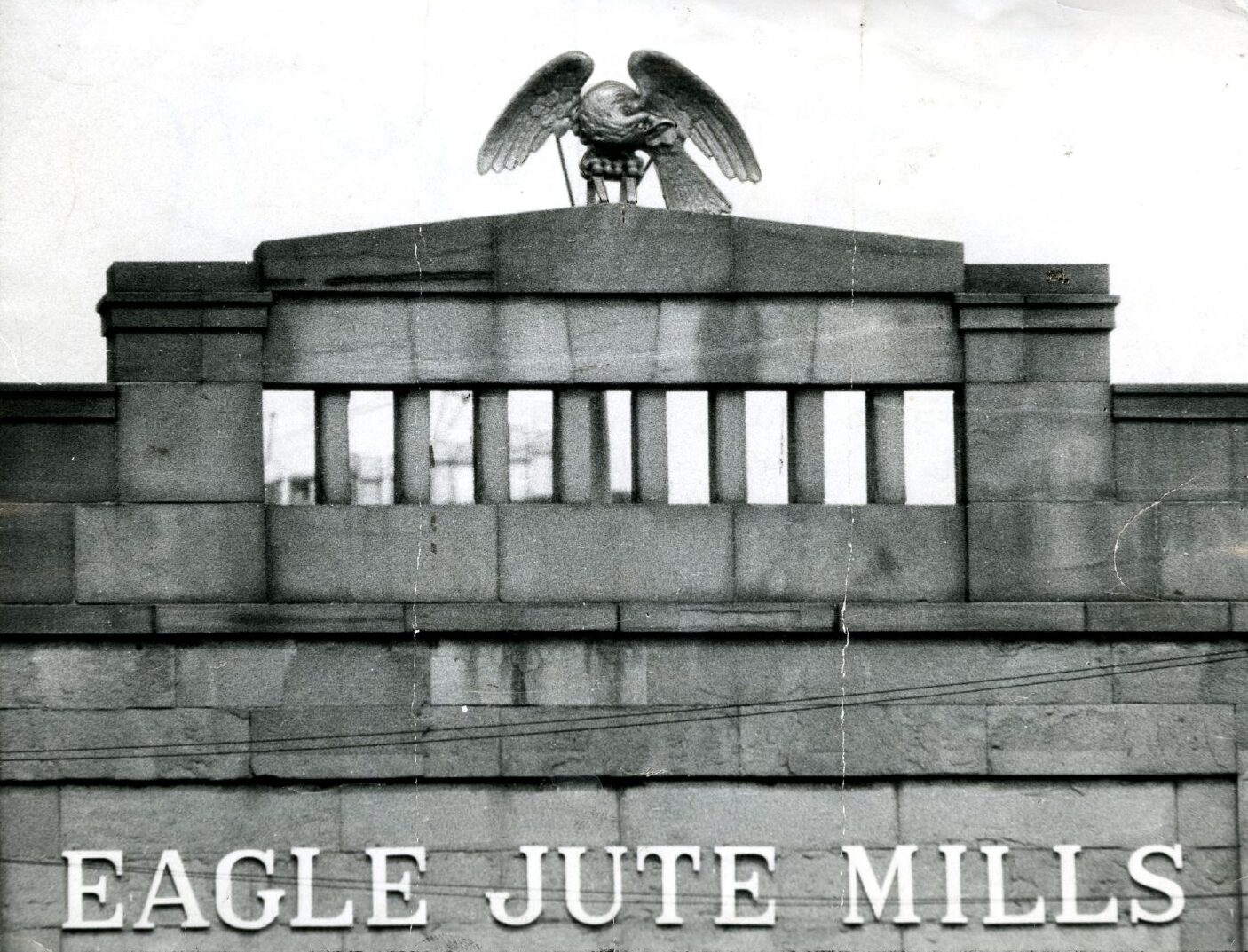
The structure was well-known for its remarkable carved wooden eagle, which towered above the mill and watched over generations of workers.
Fresh air and light for mill workers
Dundee was previously the world’s hub for jute manufacture.
However, Eagle Mills launched during a period of economic downturn and uncertainty, as the industry faced increased competition from abroad.
The Courier characterised Low and Bonar’s venture as a gamble.
“These new mills may be regarded as a response to the foreign offensive directed in recent years, with damaging effect, against the city’s staple industry,” it stated.
“It is an enterprise, in the present condition of the trade, requiring high courage, and for that reason alone will be watched with admiration and hopefulness.”
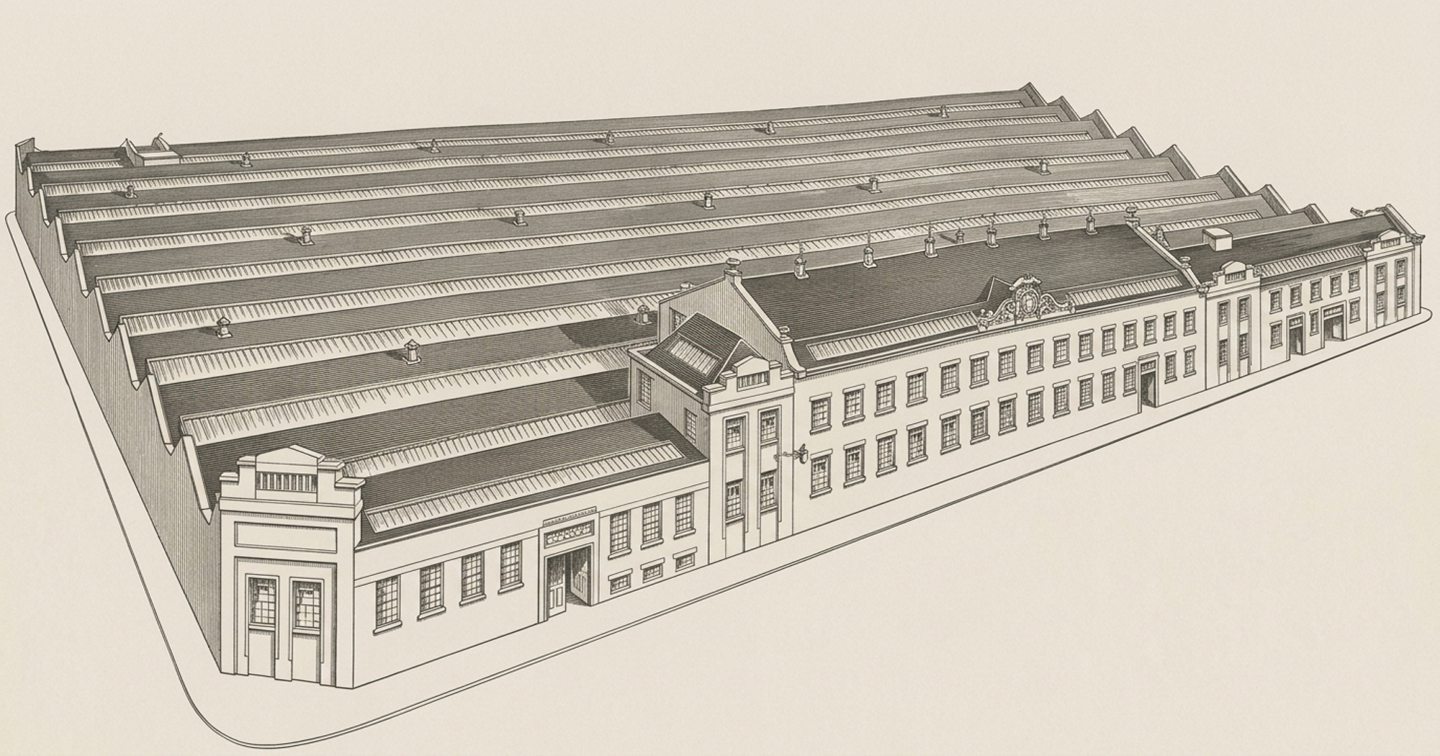
Each machine was powered by electricity, eliminating the need for “shafts, pulleys, and overhead belts” and “significantly reducing noise”.
Every 10 minutes, “modern devices” blew out dust and refreshed the air.
“The light inside the building is wonderful,” the Courier continued.
“There is no jute mill anywhere where the lot of the worker can be more ideal and where work can be carried on in more pleasant and healthy surroundings.”
The newspaper believed that the “notable enterprise” would help Dundee restore lost trade.
Meanwhile, the Evening Telegraph rated it as the “finest in the world”.
The harsh reality of mill life
Working in a mill was arduous, low-paid, and frequently dangerous.
Children frequently lost limbs after being caught up in machinery.
Fourteen-year-old Charles McCorkindale had his right arm severed in July 1934 as it was dragged into a feeder during his second week of work.
He remained extremely unwell for several weeks, and blood transfusions saved his life.
Not everyone was so fortunate.
In one of the mill’s most horrific events, a worker was dragged into the equipment and killed instantaneously.
Most, however, began their working day before arriving in Eagle Mills.
Alarm clocks were not particularly necessary in Dundee back then.
At 5 a.m., Corporation dustcarts rumbled out of the Dock Street depot.
The rumbling of the iron-tyred wheels could be heard across the city.
By 5.30 a.m., the factory buzzers were in full swing, nearly deafening by 6 a.m., summoning thousands to their shifts.
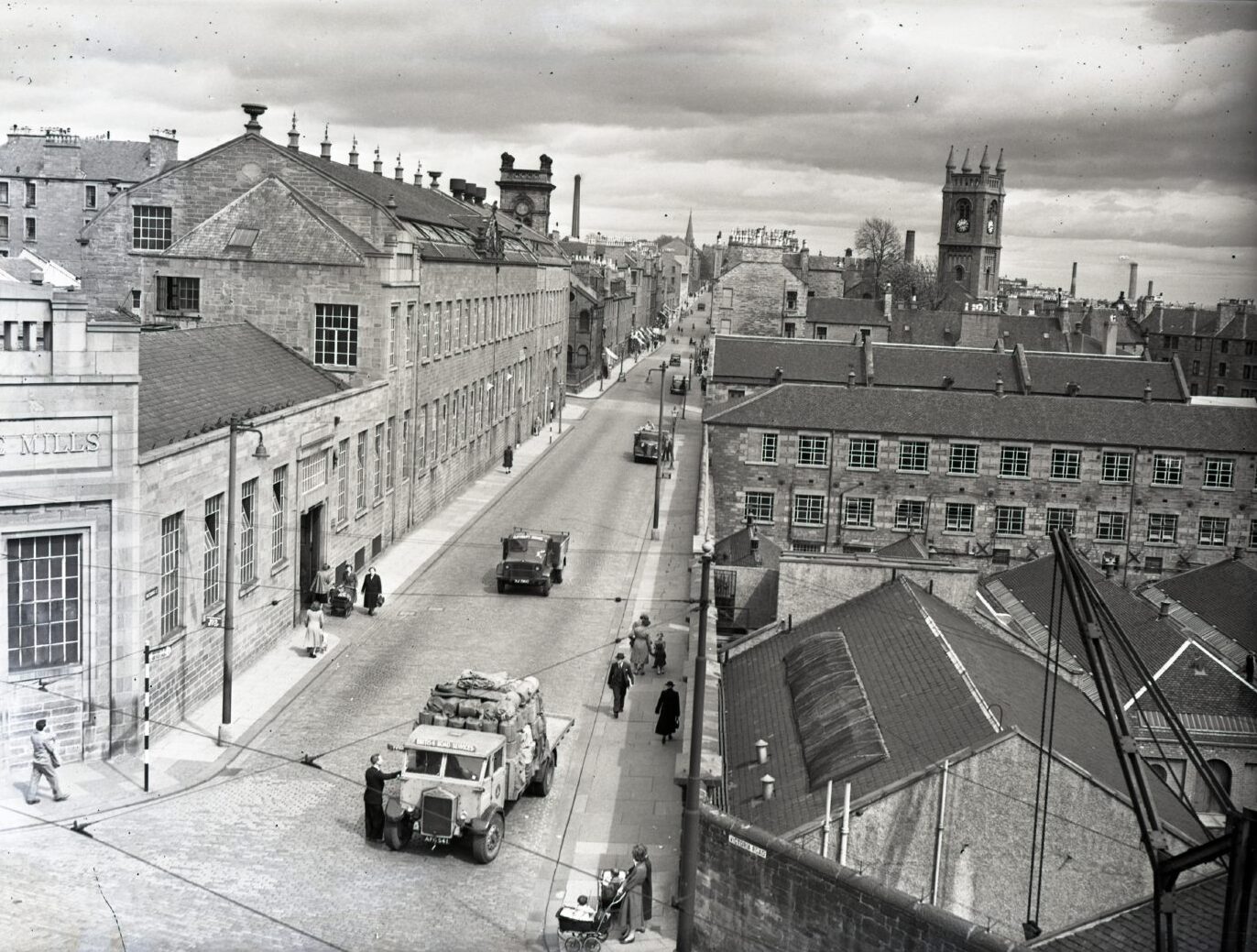
Long hours were the norm, with weeks lasting 50 to 60 hours.
Despite this, many people fondly remembered Eagle Mills.
Friendships were formed amidst the noise and dust, and a strong camaraderie developed.
Decline, disputes and danger in the mills
There were some brighter moments, too.
One toilet attendant, disliked due to his time constraints, kept an eye on the cubicles.
The doors didn’t reach the floor, allowing him to keep an eye on anyone who lingered.
During his break, staff staged a prank by packing a boiler suit with jute waste and boots into a cubicle.
After receiving no response to his knock, the attendant triggered the alarm.
The foreman forced the door open, only to discover the dummy inside.
Fortunately, he saw the amusing side.
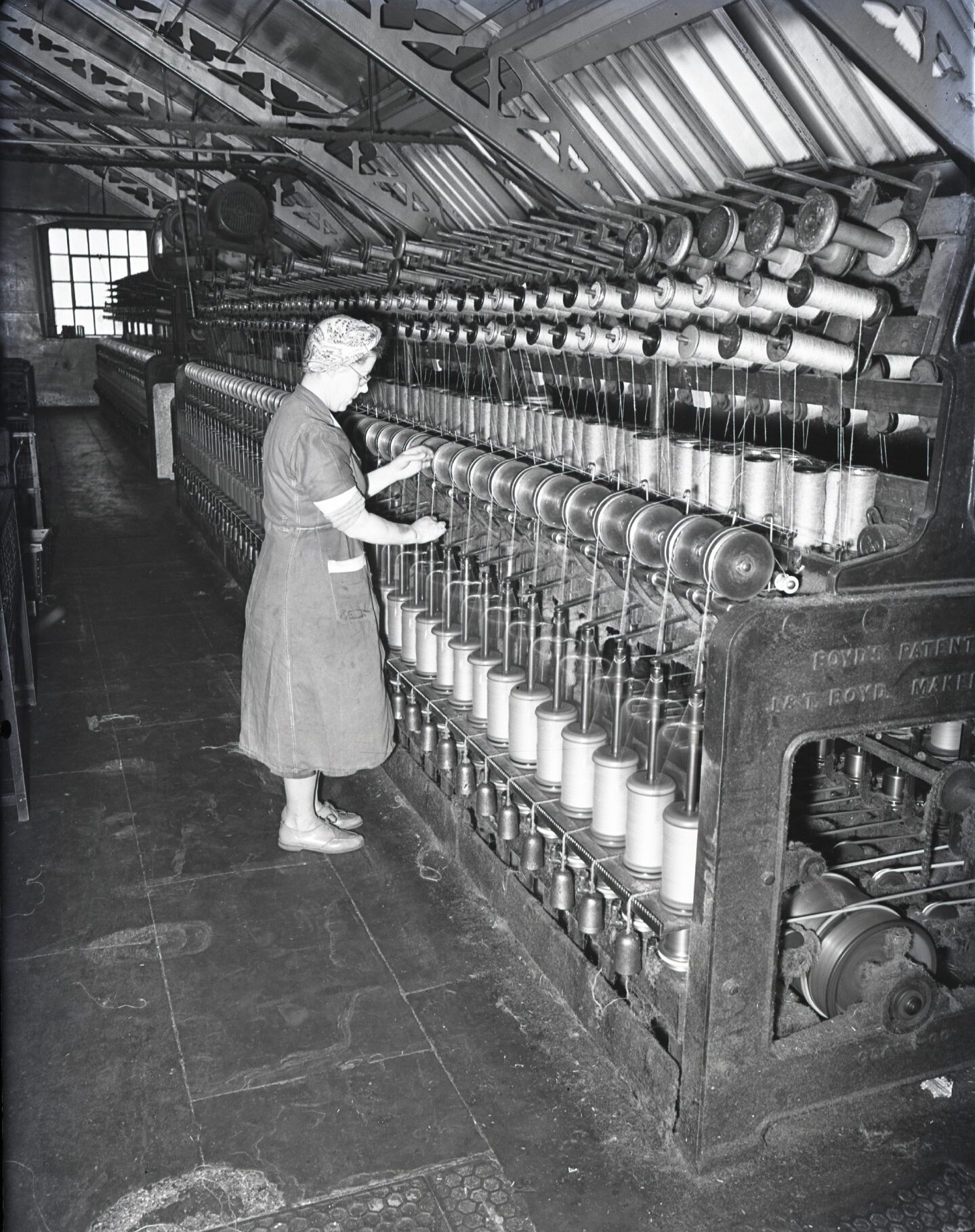
By the 1950s, Dundee’s jute sector was in serious decline, with just 39 enterprises remaining from the 150 at its peak.
At first glance, Eagle Mills appeared to be in poor health.
In November 1952, a conflict arose over Saturday work after over 100 employees volunteered to work overtime to accommodate a rush of orders, despite union resistance.
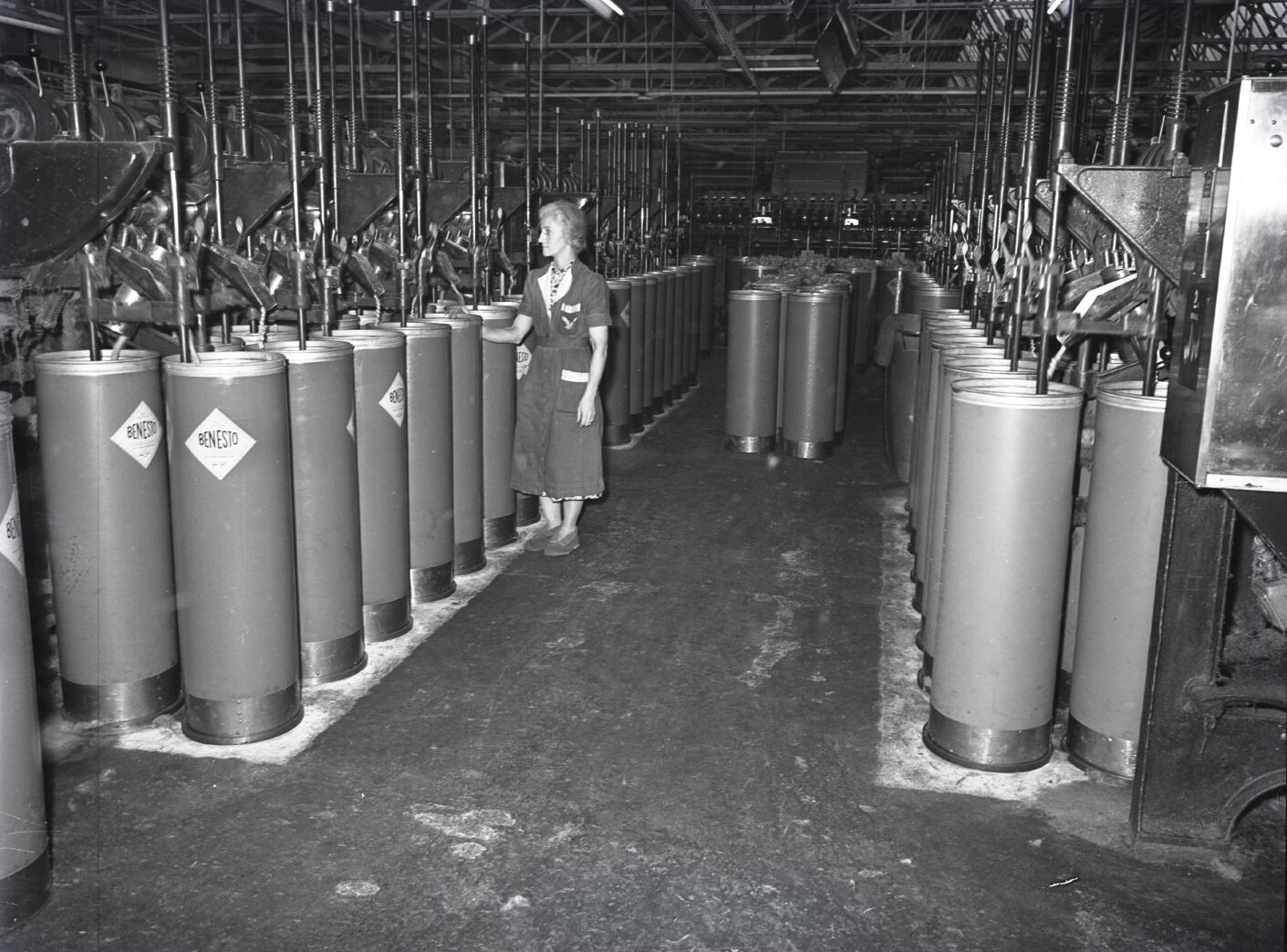
By October 1955, it appeared like the era was coming to an end.
George Smith, a batching foreman who had been with Eagle Mills from its inception, was presented with a wallet full of notes upon his retirement after 25 years of service.
It had been a lifetime spent doing a job that involved actual risks.
Jute was extremely combustible, and fires were a regular concern.
The Dundee blaze that made British firefighting history
In July 1965, a fire broke out in Eagle Mills’ basement warehouse, engulfing bales of jute worth £60,000.
Heavy smoke forced firefighters to retreat three times.
The decision was made to shut off the basement and pump in carbon dioxide gas.
The Courier reported that it was the “first time the British fire service had used carbon dioxide to put out a land fire.”
It was brought under control without causing any structural damage to the building.
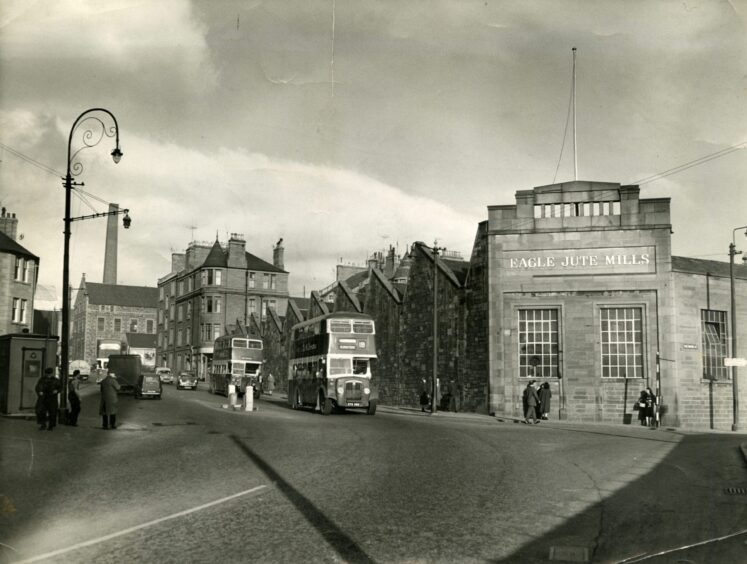
However, the hazards never went gone.
In February 1971, another fire broke out at Eagle Mills.
A young couple noticed a glow in the roof as they passed and called the fire department, which helped rescue the building.
The cause was later attributed to a carelessly dropped cigarette.
Eagle Mills survived the fire, but not for a decade.
By 1971, only 6,000 jute workers remained, spread across fewer than 20 enterprises.
While 1978 is commonly cited as the closure date, media evidence suggests that the mill was actually closing years earlier.
In October 1974, Dundee East MP Gordon Wilson raised the anticipated closure with Lord Provost Tom Moore.
By September 1976, the land was for sale, with much of the vegetation and furnishings, including the wooden eagle, already removed.
A lost eagle and a future still uncertain
Ian Imrie, of Imrie Antiques in Bridge of Earn, stated in January 1980 that he had been offered the monument but declined.
“It was made of timber and was very rotten,” he replied.
“It had just been painted with gold, which didn’t help much.
“I have no idea where it might be now.”
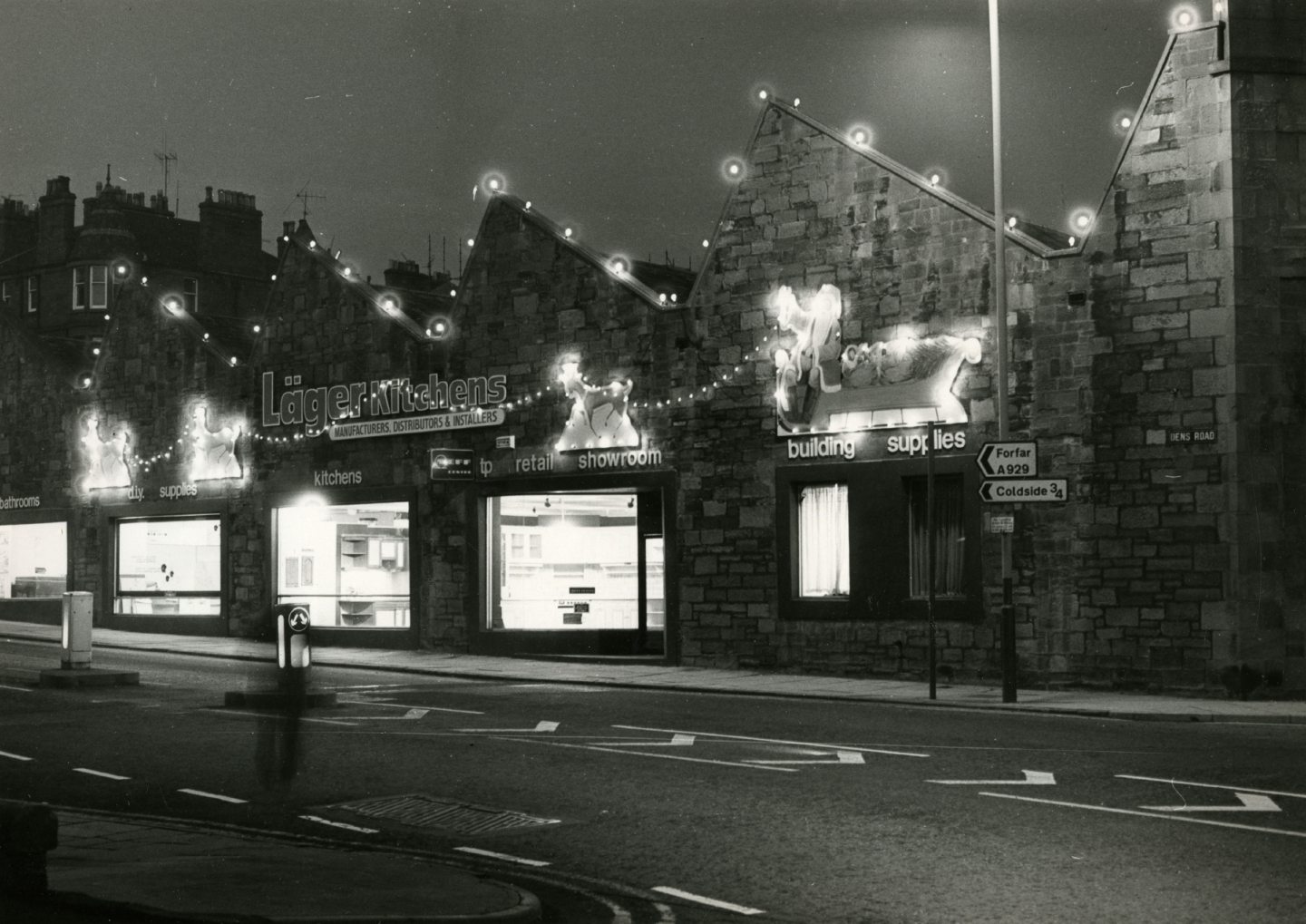
Tayside Plumbing and facility Supplies purchased the facility in that year, occupying a portion of the 1930s mill before selling the other half.
It housed a variety of tenants, including Dundee United Social Club.
In the decades that followed, the huge complex gradually declined.
In 2018, planning permission was given to convert part of the site’s older section into 34 flats, as well as room for a nursery, bakery, café, and industrial unit.
The next year, Tayside Plumbing and Building Supplies closed its showroom, and the developers eventually acquired the adjacent area to expand their plans.
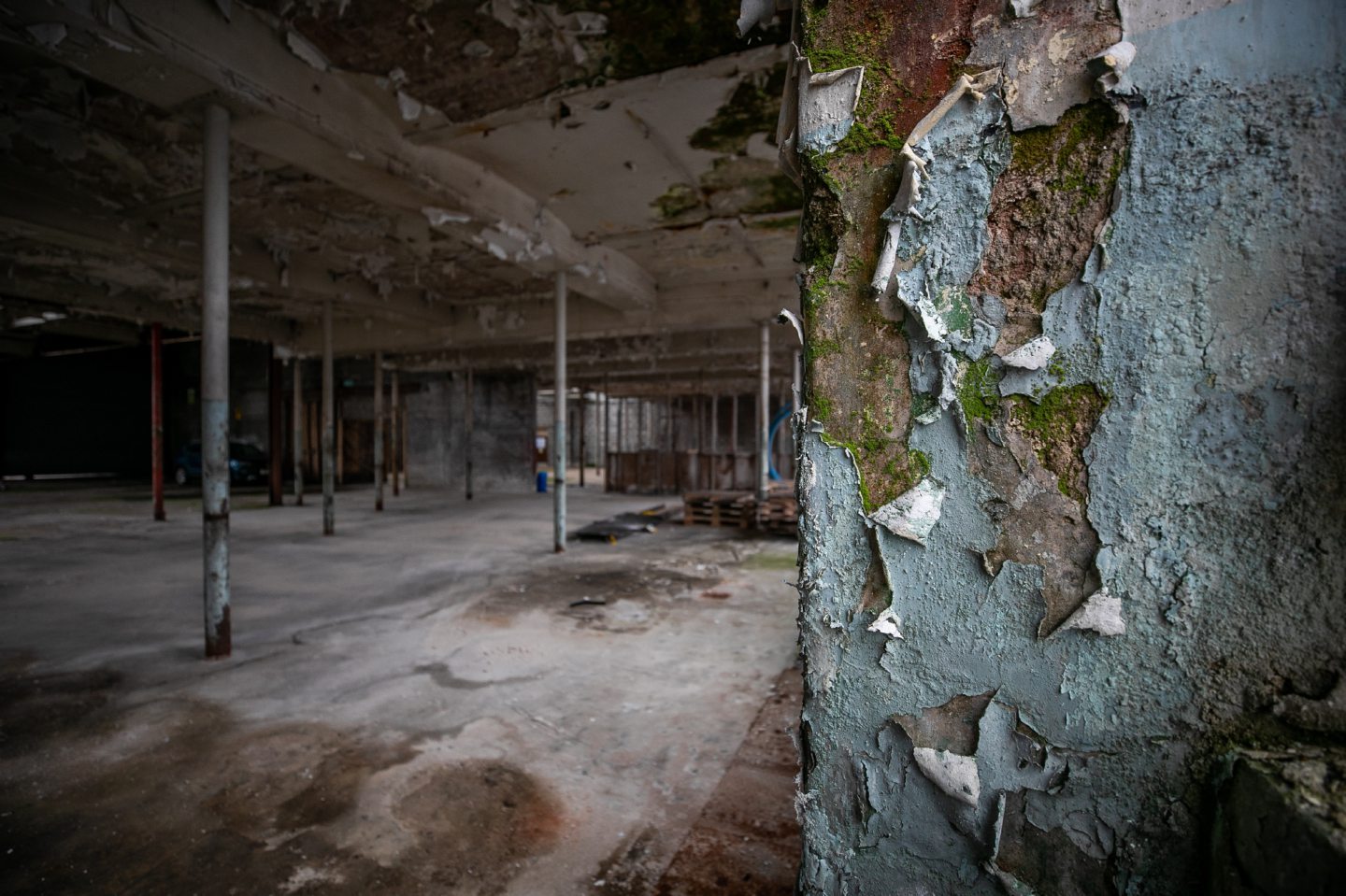
A second phase with 34 additional flats was permitted in 2023.
However, work has yet to start.

Comments are closed, but trackbacks and pingbacks are open.